
When laws become wallpaper: unlearned lessons from Karachi’s floods
Each monsoon turns Karachi into a drowning city, not because of rain alone but due to man-made negligence…
COVER STORY
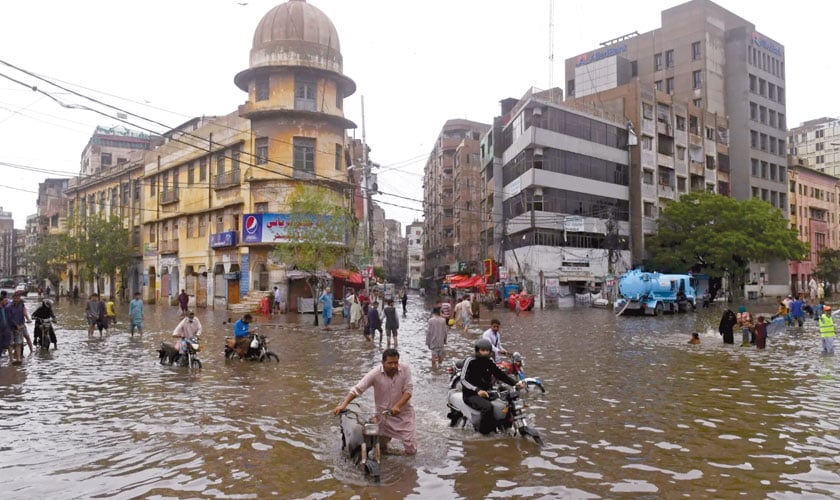
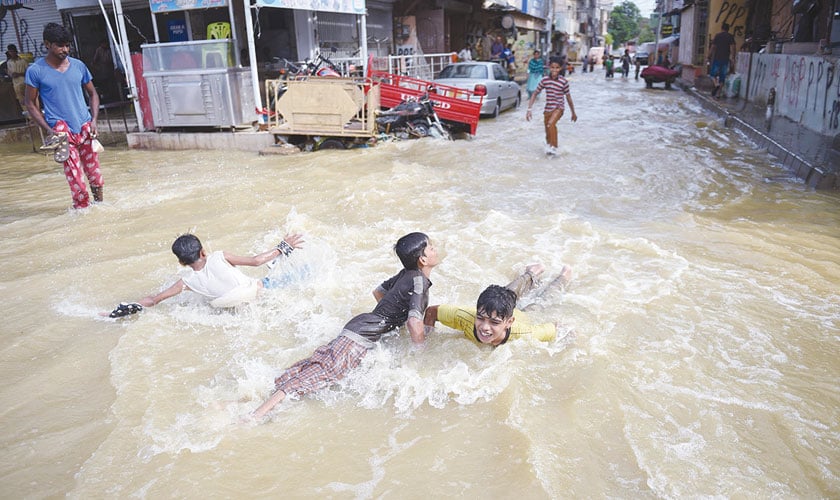
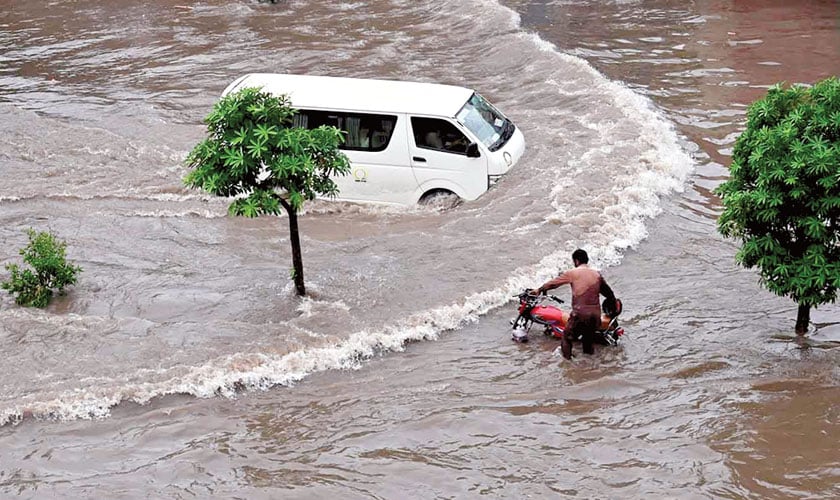
Each monsoon turns Karachi into a drowning city, not because of rain alone but due to man-made negligence. While the global climate crisis magnifies the scale of flooding, these recurring disasters are not natural inevitabilities. They expose a cumulative collapse of legal accountability, urban planning and governance. Despite repeated warnings from academics, planners and human rights groups, the lessons remain unlearned.
Pakistan’s Constitution guarantees the right to life under Article 9, and after the 26th Amendment, Article 9A extends this right to a safe and healthy environment. Courts have reinforced this principle through landmark rulings such as Shehla Zia v WAPDA (1994 SCMR 693) and Mehar Badshah v Government of Khyber Pakhtunkhwa (2025 PLD 36 SC). Yet every monsoon, sewage-laced water floods neighbourhoods, infrastructure collapses, and lives and property are put at risk. The right is clear, the frameworks exist but enforcement is missing.
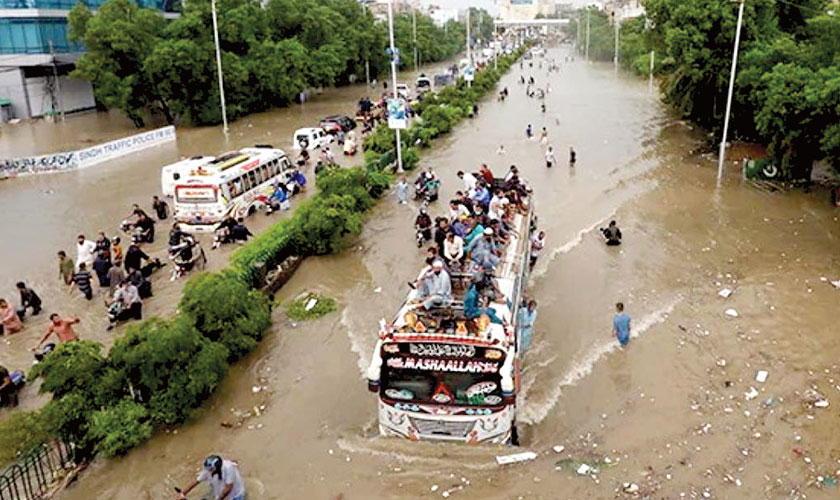
The Pakistan Environmental Protection Act, 1997, and the Sindh Environmental Protection Act, 2014, require environmental impact assessments and empower agencies to regulate waste disposal and pollution. In theory, these should stop construction on natural drainage channels. In practice, Karachi’s unchecked expansion along stormwater drains illustrates the yawning gap between law and implementation. Even when violations are flagged, political influence and mafia networks weaken accountability.
Other laws exist but suffer the same fate. The Sindh Building Control Ordinance, 1979, prohibits building over drains. The Sindh Local Government Act, 2013, makes local councils responsible for drainage and sanitation. Yet Karachi’s councils lack resources and authority, while provincial agencies encroach on their functions. The National
Disaster Management Act, 2010, created disaster management authorities at federal and provincial levels. But interventions in Karachi remain reactive, focused on relief after floods rather than prevention. Each year, camps are set up, food is distributed, and promises are made – while structural causes remain untouched.
The cycle is not new. The 2010 super floods, which displaced more than 20 million people, were described by the UN as one of the worst humanitarian crises of the decade. Post-disaster reports highlighted weak preparedness, encroachment on floodplains, poor coordination between agencies, and reliance on ad-hoc relief. Those very mistakes persist in Karachi today. Natural waterways remain obstructed, early warning systems are inadequate, and disaster management stays focused on rescue rather than risk reduction.
A recent report by the Human Rights Commission of Pakistan (HRCP) traced Karachi’s recurring floods to overlapping jurisdictions, with local, provincial, federal and cantonment authorities all claiming power while none assume responsibility. Architect Arif Hasan has long argued that unregulated growth, illegal settlements and encroachments over drains have narrowed the city’s vital flood pathways. “Karachi’s drains are no longer drains,” he observed. “They have become dumping grounds and construction sites.”
Urban expert Dr. Noman Ahmed recalls that Karachi’s colonial-era drainage systems, carefully designed to integrate sewage and stormwater, once kept floods under control. Post-independence neglect and ad-hoc real estate projects eroded this system. The Lyari Expressway, for instance, displaced poor communities and worsened flooding instead of easing it. Such decisions dismantled Karachi’s urban resilience, leaving low-income groups the most vulnerable.
The legal principle is simple: legislation without enforcement is wallpaper. Accountability must be real and consequences tangible. Pakistan’s judiciary, rights bodies and civic activists have the tools to enforce constitutional rights, but political will and administrative clarity remain absent.
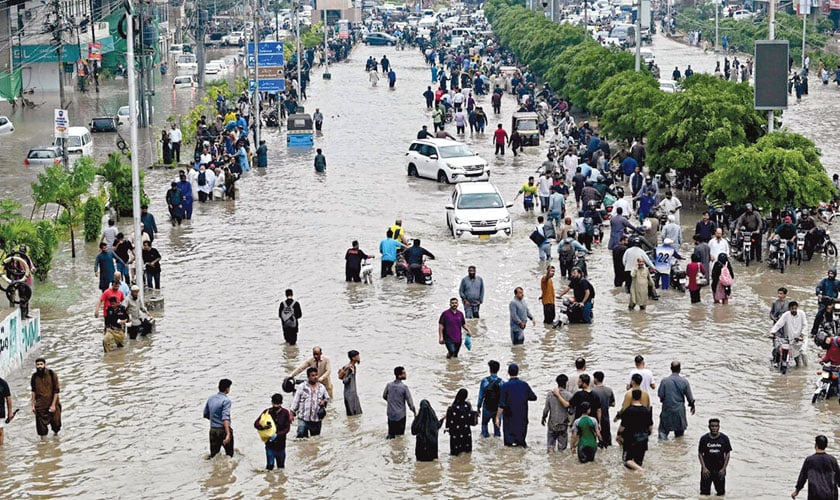
To break the cycle, Karachi needs jurisdictional clarity so that a single empowered local government, as envisioned in Article 140A of the Constitution, can be held directly accountable for drainage, zoning, and waste management. Enforcement must be uniform, applying equally to informal encroachments, powerful real estate developers and government agencies that block natural waterways. Courts have already expanded the right to life to include a clean environment, but continuous judicial monitoring, not occasional suo motu interventions, is needed to ensure compliance.
Citizen action is equally vital. Public interest litigation and community monitoring have proven effective in environmental struggles elsewhere in South Asia and can do the same in Karachi. Most importantly, prevention must replace reaction. Clearing drains, enforcing environmental impact assessments, and embedding climate-sensitive planning into urban development should take place before the rains arrive, not after.
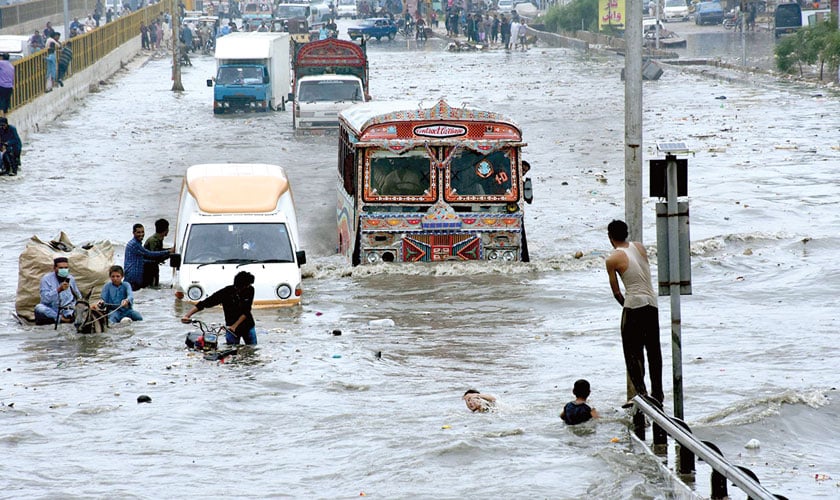
Karachi’s floods are not natural acts of fate. They are a litmus test of governance, legal commitment, and institutional courage. To blame the monsoon is to excuse negligence. Each year’s destruction exposes not only physical failure but also moral and civic erosion. If Karachi is to survive its future monsoons, laws must move from paper to practice. Otherwise, the city will drown — not in water, but in its own governance failures.
Publish in The News By Nida Tanveer, September 12, 2025